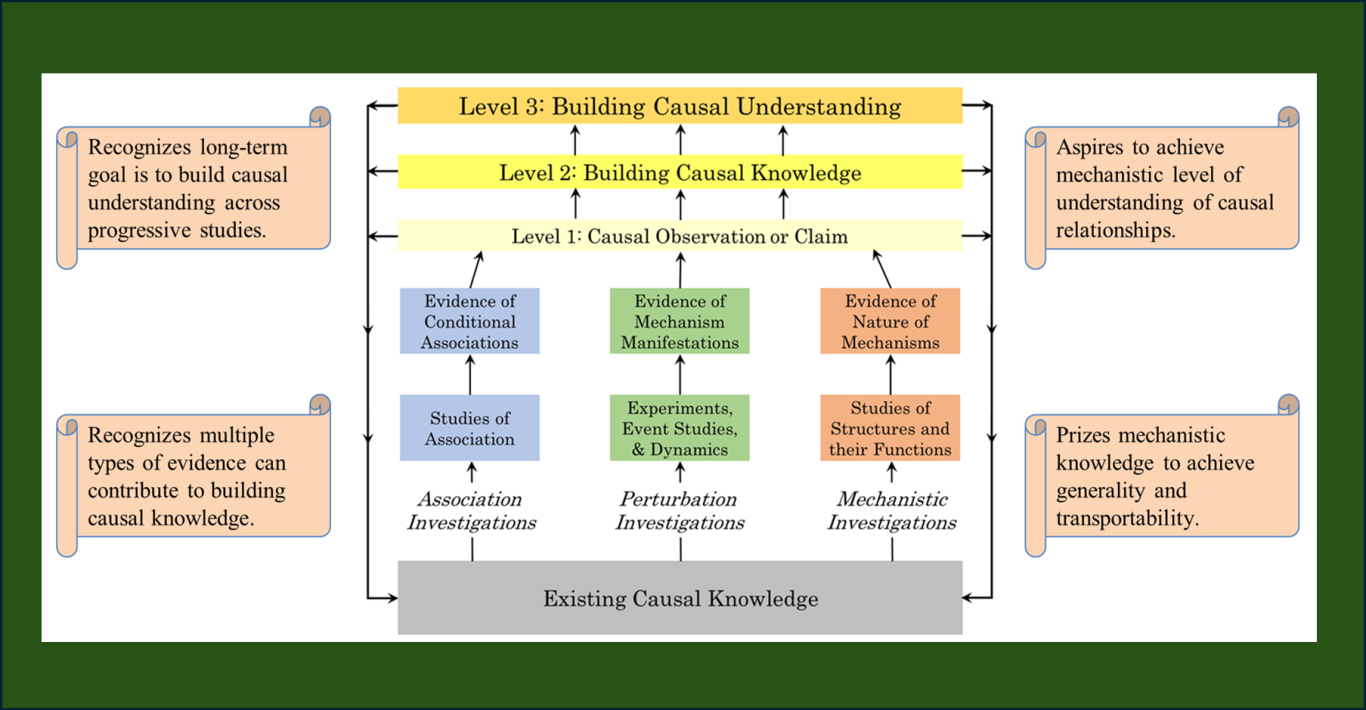
Figure 0.1 The Classical Interpretation of Causality views causation as the consequences of mechanistic interactions among structures and processes that exist in the real world. However, in recent times causal methods have increasingly been described from a limited statistical perspective under the heading of Causal Inference. This approach, which ignores the complexity of real-world causal mechanisms, has led to an imbalance in the literature that misrepresents our classical understanding. The Multi-Evidence Paradigm for Causal Investigations seeks to bring balance to the literature.
A breakthrough occurred in 2022 when the National Academies of Science, Engineering, and Medicine conducted an evaluation of methods for causal determination, which was published as an official Consensus Report. This report determined that the statistical (aka counterfactual) approach is incomplete and insufficient for causal investigations. It further highlighted the need to recognize Mechanistic Causal Inference, which they argue is vital for developing transportable knowledge.
In 2024, I described and illustrated a Multi-Evidence Paradigm for Causal Inference (above). Several papers with colleagues have elaborated on this and introduced formal methods for mechanistic and multi-evidence causal determinations.
At present, a major paradigm shift from statistical to multi-evidence causal procedures is underway, with contributions from multiple sources.
It is important for scientists to realize that virtually all of the accumulated literature on causal methods is not properly qualified and not to be taken at face value. My current effort aspires to correct these issues and in the process expand causal methodology to better support scientific investigations.
To understand this new material, one should be aware that statistical causal inference, which approaches the study of causation using correlations, is base on overly simplistic "imagined worlds" (i.e., Potential Outcomes, Structural Causal Model) that do not map sufficiently to the real world. Rather, real-world causal knowledge is built through scientific investigations that characterize the underlying mechanisms and their behaviors.
A Multi-Evidence Paradigm for Scientific Causal Investigations
Who am I?
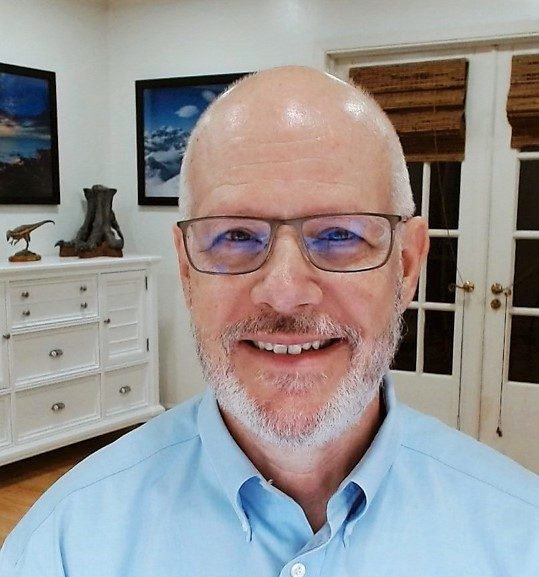
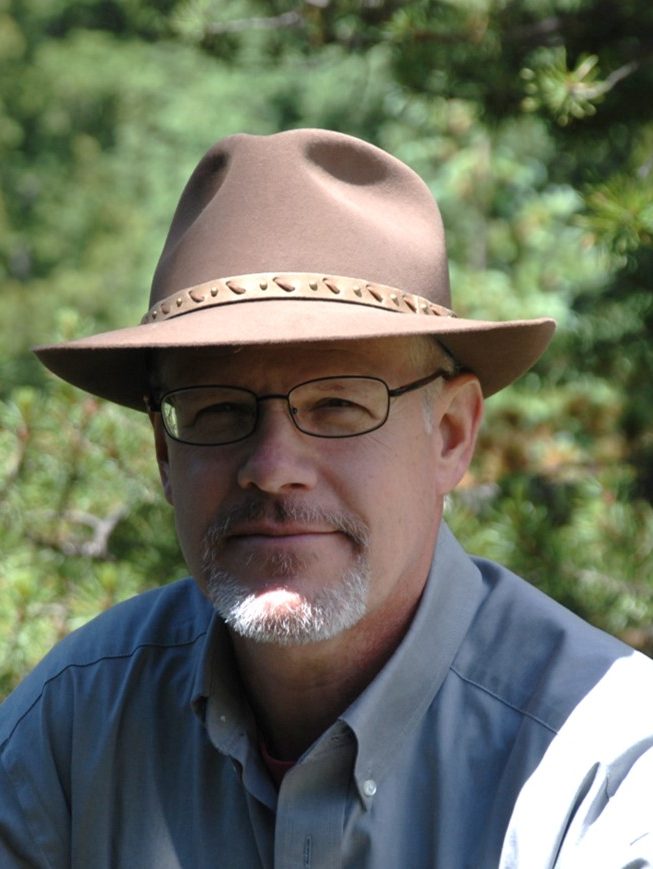
James B. (Jim) Grace
I hold an Affiliate Professor Position with the Department of Biology at Concordia University in Montreal.
This website launches the next phase of my career, following 5 years as a faculty member with the University of Arkansas, 7 years with Louisiana State University, and 33 years as a researcher with the USGS Ecology Program.
I am now fully engaged in the development of the multi-evidence paradigm below and described in this website for the benefit of science and scientists.
What This Site is About
This site introduces and illustrates an expanded paradigm for causal studies that recognizes the foundational role of mechanistic structures and processes in causation. This expanded view places scientists and their knowledge of real-world mechanisms in a central position for establishing the evidential system for causal investigations and the essential task of building causal knowledge.
Why this is Important to Scientists
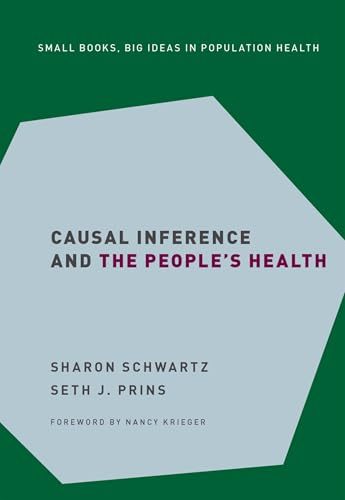
As Schwartz and Prins (2025) so articulately say,
"Researchers should take debates about causal methods seriously because with or without our awareness, and with or without our consent, these debates shape the questions we ask, the methods we use, and the narratives we construct about our study results."


A Bit of What I am About
I have always been pre-occupied with the scientific method and how we might best make progress in understanding the world. My mission is and always has been to advance science. For the past 30+ years I have been particularly interested in how we build causal knowledge and understanding. This broad interest has led me to try to develop a broad base of knowledge and to work in a wide variety of ecosystems, from lakes and wetlands to grasslands ranging from arid rangelands to African savannas. I have also worked on studies involving human systems, including urban planning and political stability. The full span of the biological world interests me, from wildlife to insects to fish to microbes to human populations. Seeking to understand causal methods has led me take many courses and workshops from a wide range of disciplines as well. (more on all that elsewhere). My studies finally led me to offer a new viewpoint starting in 2024 (Grace 2024. Ecological Monographs) https://esajournals.onlinelibrary.wiley.com/doi/pdf/10.1002/ecm.1628 .
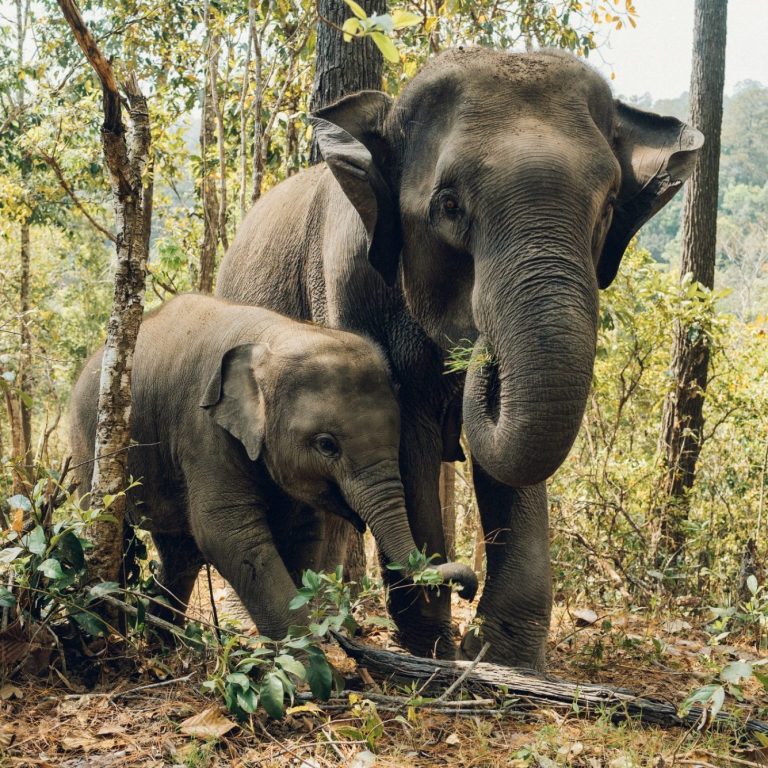
Elephants are one of my favorite animals. They have many traits I admire and aspire to emulate: perseverance, courage, and concern for the future of the herd.
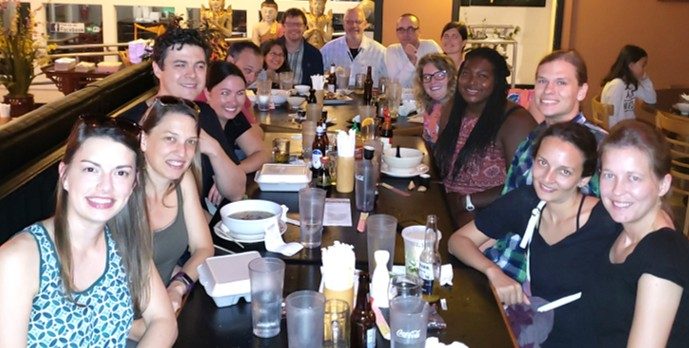
Education and Collaboration Opportunities
I have given over 200 guest lectures and taught 60 hands-on workshops in 9 countries. I am eager to introduce researchers to the new methods developed in support of our ability to build causal knowledge.
Contact me at,
james.grace@concordia.ca